
Why Regular STD Testing is Essential for Maintaining Good Health
Sexually transmitted diseases are one of the common current health problems that affect many people in the world. The Centers for Disease Control and Prevention (CDC) estimated that within the United States alone, there are close to 20 million new STD cases each year-half of which occur among young people from ages 15 to 24. This is because most of these infections are not diagnosed and treated since symptoms rarely appear; thus, the diseases can lead to complications in health later. That is why regular testing for STDs is so important in both the name of individual and public health.
This article looks at reasons why everybody needs to go for regular STD testing, the risks to health because of untreated STDs, and benefits which can be reaped from early STD detection. More importantly, you will receive tips on how you can find confidential and affordable clinics close to you using resources such as the STD Help Center.
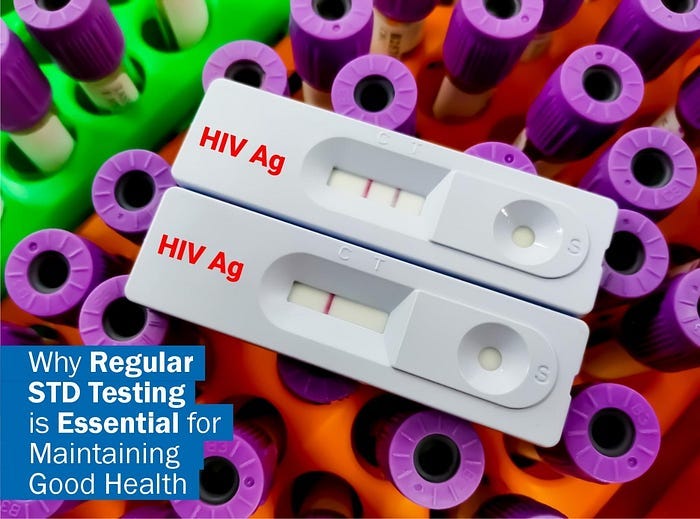
The Importance of Regular Testing for STDs
Because most STDs are asymptomatic, the infection can be present for several months or even years before being detected. More than 1 million STIs are contracted daily worldwide, World Health Organization (WHO) estimates; many of these infections are asymptomatic. If left untreated, the major STDs-like chlamydia, gonorrhea, and syphilis-can cause severe, long-term complications such as infertility, chronic pain, and increased risk of HIV.
1. Early detection avoids severe health complications
If left untreated, or treated too late, STDs are capable of causing irreparable damage. Some of them, such as chlamydia and gonorrhea, are often silent infections, particularly among women. These can lead to PID, or pelvic inflammatory disease, a condition that can cause irreversible destruction to the woman’s reproductive organs. That would later eventually result in either sterility or ectopic pregnancy. The CDC estimates that 10–15% of untreated chlamydia or gonorrhea among women will develop PID.
Untreated gonorrhea may cause an infection of the urethra, prostate gland, and epididymitis; that is, the tube at the back of the testicles where sperm mature, a condition though rare that can result in infertility in men. In both men and women, untreated syphilis infection can cause widespread damage to the heart, brain, and many other organs over a period of many years and may be life-threatening. Regular testing can help them identify such diseases at an early stage and get treatment before health complications arise.
2. Protecting Your Sexual Partners
Regular STD testing is not only about protecting your own health but also about safeguarding the health of your sexual partners. Most STDs are very contagious and may be transmitted even in cases when no symptoms appear at all. As a specific example, herpes and human papillomavirus (HPV) can be passed through mere skin-to-skin contact alone, even if one does not see any sores or warts.
Getting regularly tested and knowing your status will provide you with the necessary actions to be taken for the protection of partners, such as the use of condoms or pursuing the needed treatment. Being upfront about your STD status and encouraging partners to get tested is one sure way to break an infection cycle and avoid continual spread of the infection.
3. Peace of Mind
Among the huge benefits derived from getting tested for STDs regularly, peace of mind stands prominent. You may have apprehensions about your sexual life, either because of symptoms appearing or after having unsafe sex. Knowing your status can give you an opportunity to take charge of your health and make good choices about the future. You should get tested regularly, especially if you have multiple sexual partners, begin a new relationship, or have had unprotected sex.
This can take the mystery and most of the associated fear out of the situation, making it much easier to ensure you’re doing what you need to do to stay healthy sexually.
Common STDs and Their Health Risks
There are many common STDs that can cause serious health issues if left untreated. Here are some of the most common STDs and a few of the possible health risks:
1. Chlamydia
· Symptoms: Usually symptomless, sometimes abnormal discharge from genitals, dysuria, painful intercourse.
· Health Risks: If left unattended, chlamydia may result in PID among women, leading to infertility, whereas in men it can cause infections relating to the urethra and prostate gland.
· Testing: Routine screening for sexually active people is recommended, especially in women under age 25 and those with new or multiple sexual partners.
2. Gonorrhea
· Symptoms: The symptoms of gonorrhea are similar to those of chlamydia, and like chlamydia, there may be no symptoms at all; symptoms can include painful urination and discharge.
· Health Risks: In women, gonorrhea can cause PID, leading to infertility. In both men and women, gonorrhea can lead to infertility and an increased susceptibility to HIV infection.
· Testing: Testing is recommended for sexually active people, especially with new or multiple partners.
3. Syphilis
· Symptoms: The disease begins with sores that are painless and progress in stages: rashes and fever are eventually joined by serious health problems if the disease is left untreated.
· Health Risks: If left untreated, syphilis causes damage to the cardiovascular system, the structure and functioning of the brain, and other organs. It can lead to severe complications that threaten life.
· Testing: Syphilis testing should be routine, particularly for individuals who have multiple sex partners.
4. HIV
· Symptoms: It starts with flu-like symptoms but generally goes asymptomatic for many years.
· Risks to Health: If left untreated, HIV can reduce immune capability and advance to AIDS-a life-threatening condition.
· Testing: Early detection is possible through routine tests for HIV, after which the person can continue antiretroviral therapy that can easily suppress the virus from further transmission.
How Often Should You Get Tested?
The frequency of testing is based on your age, sexual activity, and multiple partners. The CDC recommends that sexually active women 25 and younger should be tested for chlamydia and gonorrhea every year. Also, men who have sex with men should consider getting tested at least once a year for HIV, syphilis, gonorrhea, and chlamydia, or more often if they are having sex with multiple partners.
If you’re in a new relationship, it’s a good idea to get tested before becoming sexually active with a new partner. For those who have multiple sexual partners or who engage in high-risk behaviors, testing is recommended every three to six months. If you’ve had unprotected sex or believe you may have been exposed to an STD, you should seek out testing immediately.
The Benefits of Early Detection
There are a number of advantages brought forth by the regular testing of STDs in their early detection. This allows not only for the early treatment of the infection but also for lesser chances of having long-term complications associated with that infection. Individuals infected with chlamydia, gonorrhea, and syphilis can be cured with antibiotics in the early stages of detection, thus avoiding additional health problems and lesser risk of passing the infection to other people.
Testing among viral infections, like that of HIV, is crucially important because through early detection, one is able to contain the virus and hinder it from developing into AIDS. The National Institutes of Health (NIH) report that “people who start treatment as soon as they learn that they are infected can keep the virus under control and can enjoy long and healthy lives.” Regular testing ensures that people with HIV can receive lifesaving treatments before the virus can take hold and compromise one’s immune system.
How to Find Reliable STD Testing Clinics
An individual may view finding a reliable and discreet STD testing clinic as the key to good sexual health. STD Help Center helps in providing a comprehensive directory of all available testing clinics within the country to help in finding the nearest testing facilities. The STD Help Center will try to assist in finding a suitable clinic, whether looking for rapid testing, cheaper services, or a clinic offering anonymous testing.
The following are some aspects you may want to consider while you choose your STD testing clinic:
· Confidentiality: This should be made available in the most discrete manner possible.
· Affordability: Look for clinics that offer free or low-cost STD testing, mainly if you have no insurance.
· Convenience: Find a clinic that’s easy to reach with flexible hours to accommodate your schedule.
The process of finding an appropriate clinic for your needs is made more easily using a directory such as the STD Help Center.
Conclusion
Regular testing is necessary to help maintain good sexual health. It allows you to identify infections early, avoid long-term health complications, and protect your sexual partners. Because most STDs have no symptoms, routine testing is the only way one can ensure they are informed about their status.
If you have no idea where to begin, then the STD Help Center will be able to help you locate a trustworthy and discreet STD testing clinic near you. Take charge of your sexual health today by making your next STD test.
References:
Centers for Disease Control and Prevention. (2021). Sexually Transmitted Infections: Annual Surveillance Report. CDC.gov
World Health Organization. (2021). Sexually Transmitted Infections (STIs). WHO.int
American Sexual Health Association. (2020). Why Get Tested? ASHA.org
National Institutes of Health. (2021). HIV Overview: Early Detection and Treatment. [NIH.gov](https://www.nih.gov/news-events/early-detection-treatment-hiv-vital